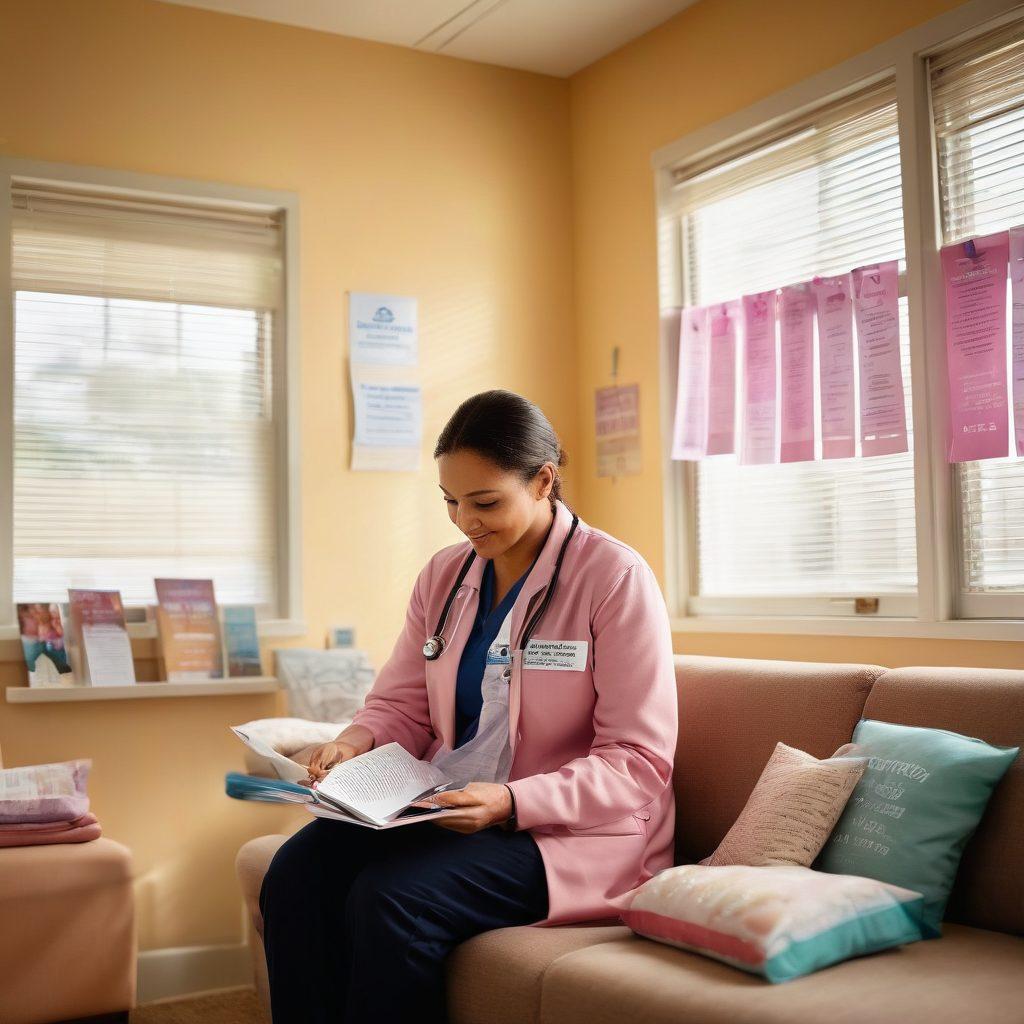
Empowering Lives: Essential Insights into Cancer Awareness and Patient Support
Navigating the world of oncology can feel like stepping into uncharted waters, especially when faced with a diagnosis of malignancy. A sense of fear and uncertainty can consume anyone, but it's vital to remember that you are not alone on this journey. With an incredible wealth of cancer awareness resources available today, understanding cancer treatment options and patient support tools can empower you and your loved ones to face this challenge with confidence.
The journey begins with the crucial step of cancer diagnosis. The word itself can produce a knot in your stomach, but it's essential to delve deeper and seek out cancer information. What are the common symptoms? Are there risk factors that you might be able to mitigate through lifestyle changes? It's wise to consult expert sources, like health blogs and reputable cancer research organizations, to equip yourself with knowledge. A manageable approach can help demystify the experience, providing clarity and a sense of control.
As you explore the realm of cancer treatment, consider the vast array of options, from chemotherapy and radiation therapy to innovative approaches like immunotherapy. Each treatment has its own set of potential side effects and implications, which is why education and open dialogue with healthcare professionals are paramount. Have you ever asked your doctor about clinical trials? These trials often explore new avenues for treatment and may offer options that align better with your health and wellness goals. With the right information, you can make informed decisions that resonate with your values.
Yet, it’s not only about treatment — the importance of patient support cannot be overstated. Community support, whether it comes from local cancer survivor networks or fellow patients, can be reassuring. Sharing stories about coping strategies and caregiver support offers a unique perspective on resilience. Navigating oncology is not only about medical facts; it’s about the emotional tapestry weaves as lives intertwine. Remember, cancer survivors can offer invaluable insights — their journeys are often filled with lessons on hope and perseverance.
Finally, when it comes to cancer prevention and well-being, embrace the power of proactive health measures. Regular screenings, being aware of symptoms, and understanding lifestyle factors can help reduce the risk of malignancy. Don’t hesitate to advocate for yourself and others, standing strong as a beacon of education. You are more than a patient; you are an integral part of a broader community devoted to growth and healing. By gathering and sharing knowledge, we not only conquer our fears — we uplift those around us, redefining the narrative of cancer one story at a time.
From Awareness to Action: A Comprehensive Guide to Cancer Treatment and Prevention
In a world where the landscape of health and wellness is ever-changing, cancer remains one of the most pressing battles we face today. The moment you hear that word, 'oncology,' it conjures a whirlwind of emotions, fear, and uncertainty. But what if we could transform that fear into empowerment? From understanding the various forms of malignancy to exploring effective cancer treatments and prevention strategies, knowledge is the key. This guide aims to illuminate the path from awareness to action, reinforcing that each one of us can play a significant role in the fight against cancer.
Picture this: Jane, a vibrant mother of two, never thought she would find herself grappling with a cancer diagnosis. Like many, she believed that such a calamity only happened to others. 'It’s not about how it starts; it’s about how you choose to fight back,' she said, reflecting on her journey. The reality is, awareness truly saves lives. By engaging in regular screenings and understanding the symptoms associated with various forms of cancer, we equip ourselves with essential cancer information that can lead to early diagnosis—a critical factor in cancer treatment success. Whether through chemotherapy, radiation therapy, or emerging treatments like immunotherapy, early detection offers more options for creating a personalized treatment plan.
Beyond the clinical aspects, cancer prevention thrives on lifestyle changes. Eating a balanced diet, exercising regularly, and reducing exposure to specific risk factors like smoking can dramatically influence our health trajectory. Replace that soda with water, take the stairs instead of the elevator, or embrace mindfulness practices; these seemingly small and simple changes can empower us. As cancer survivors often emphasize, 'It’s not just about surviving; it’s about thriving.' The road to health is paved with the choices we make every day, and through education, we can instill a preventive mindset, building a community dedicated to cancer awareness.
But let’s not forget about community support; it can be a lifeline. Those brave enough to embark on their cancer journey often lean heavily on patient advocacy and caregiver support. Family and friends play an irreplaceable role, ensuring that no one has to cope alone. Initiatives to foster community engagement help to raise awareness surrounding cancer symptoms and risks while offering tangible support avenues like support groups and counseling. We must ask ourselves: How can we extend our hands to those in need? How can we create a culture of compassion and understanding?
The importance of clinical trials cannot be overstated—they represent the frontier of cancer research. These trials explore new treatments, alternative therapies, and innovative approaches to battling malignancy. By participating, patients not only contribute to the future of cancer treatment but also gain access to cutting-edge options. So, when faced with a diagnosis, advocate for yourself or your loved one. Ask about clinical trials or join a health blog that discusses the latest advancements in cancer research. Remember, every discussion, every question can lead to newfound hope and possibility. The journey from awareness to action transforms more lives than we might initially realize, creating a ripple effect that lasts for generations.
Empowering Survivors: Resources for Coping, Advocacy, and Community Support
Cancer is a powerful word. It carries within it the weight of fear, uncertainty, and the unknown. For many, it sparks an emotional whirlwind that can take you from despair to hope in mere moments. But for cancer survivors, it can also represent a journey of resilience, strength, and empowerment. In this blog, titled 'Empowering Survivors: Resources for Coping, Advocacy, and Community Support', we will delve deep into the essential resources available for those who are navigating the often tumultuous waters of cancer treatment and survivorship. Let’s explore how education, community support, and effective coping strategies can herald a new era of health and wellness for cancer survivors.
Have you ever heard the saying, "What doesn't kill you makes you stronger"? This phrase resonates powerfully within the cancer community. Survivor stories often reflect incredible journeys through malignancy, filled with challenges that ultimately highlight not only their courage but also the strength of patient support systems. Whether it's through the tireless work of oncology professionals who offer chemotherapy, radiation therapy, and even immunotherapy to combat cancer, or through community organizations providing essential cancer information and advocacy, survivors have more resources available than ever before to empower them on their journey.
One of the most critical components of survivorship is education. Understanding the various aspects of cancer—ranging from symptoms and risk factors to the latest in cancer research and treatment options—can transform fear into action. Cancer awareness starts with knowing what to look for and how to seek help. Victories against this disease are not only fought in the doctor's offices but also at home through active lifestyle changes and engagement in clinical trials. By staying informed about screening and diagnosis, survivors can become powerful advocates for themselves, making knowledgeable decisions about their health and wellness.
Another pivotal aspect of survivorship is the deep-rooted value of community support. Whether joining a local support group, participating in wellness programs, or connecting online with fellow survivors, the shared experiences and stories can foster an incredible sense of belonging. It reminds individuals that they are never alone, even in their darkest days. Caregiver support can also play a significant role, as these invaluable companions often need just as much guidance and resources to help them assist effectively. The emotional weight carried by caregivers, together with cancer survivors, can pave the way for cherished moments of understanding and mutual strength.
Lastly, let’s not underestimate the power of coping strategies. Embracing alternative therapies such as yoga, meditation, and nutrition can significantly bolster mental well-being during treatment and recovery. Finding what works personally is key. It’s also important to advocate for mental health resources, have open discussions about anxiety and depression, and recognize the importance of mental fortitude in any journey through cancer. Together, survivors can grow a tapestry of resilience, weaving their unique stories into a narrative of community, understanding, and unwavering support. Remember, there’s no one way to survive—there's a whole world of resources waiting for you!